


Your Pathway To Financial Wealth Is Land
Most real estate investors have one of two goals in mind:
- Buy and flip a property for a quick profit.
- Buy and hold to build passive income over time.
Both are proven strategies — but there’s one path to wealth that’s often overlooked: land investing.
An Introduction To Land Investment
Land is one of the most reliable and enduring ways to build long-term wealth. Unlike homes or commercial buildings, vacant land doesn’t age, break, or require ongoing maintenance. You purchase it, hold it, and allow it to appreciate naturally over time.
More investors are moving away from low-yield savings accounts and unpredictable stock markets and turning to land as a stable, tangible asset. Land is secure and difficult to devalue, and with no structures, it offers exceptionally low carrying costs—no utilities, no tenants, and when purchased wisely, no mortgage payments.
Many new investors overlook land, but its low-maintenance nature is exactly what makes it powerful. As cities expand and demand increases, land becomes more valuable. This creates a clear pathway for long-term growth without the stress or complexity of traditional real estate.
The Economics Of Land
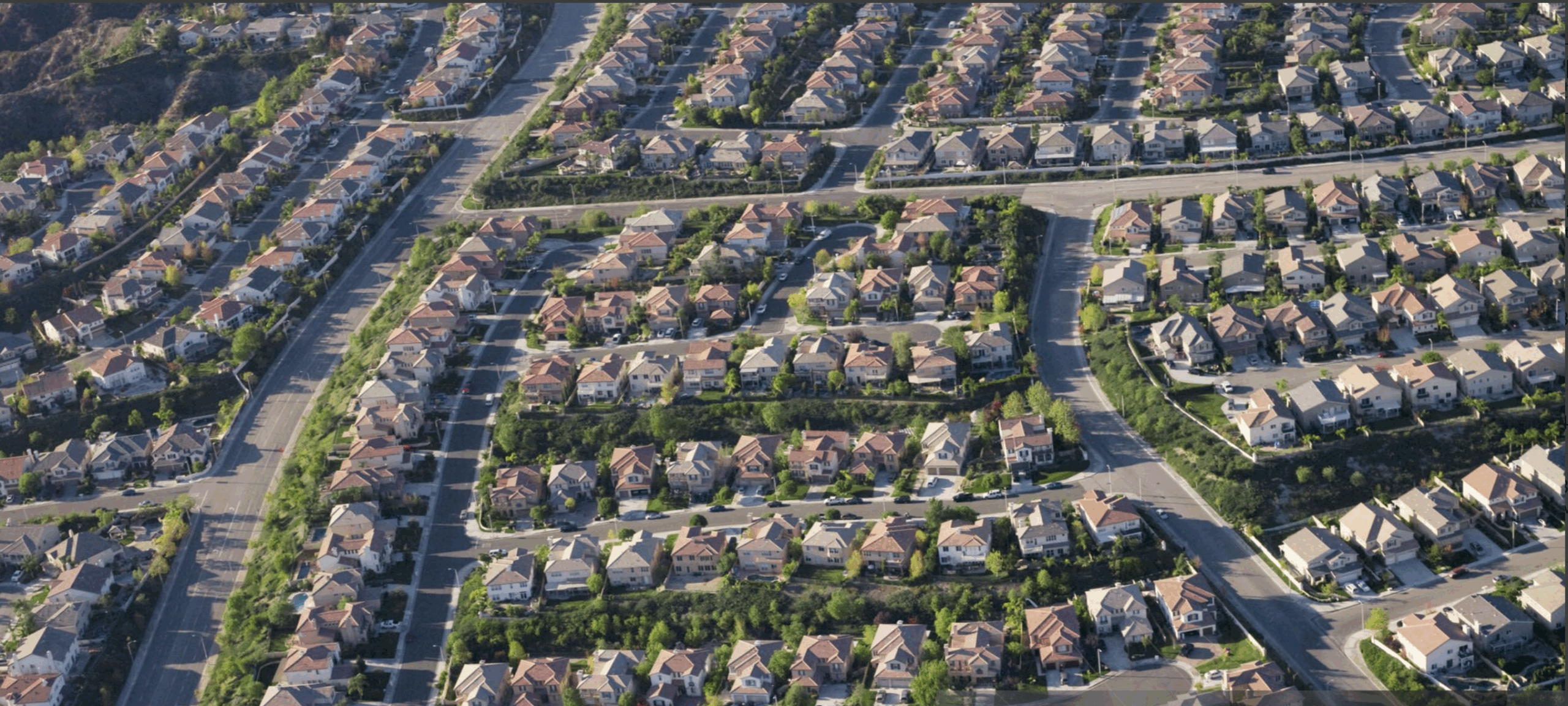
Land is one of the few assets with a truly fixed supply—no one is making more of it. Meanwhile, demand grows as populations rise, cities expand, and development moves outward. This imbalance naturally supports long-term appreciation.
When you buy land in the path of growth, that appreciation often accelerates. As infrastructure, housing, and commercial projects approach a parcel, its value typically rises—sometimes sharply. This is why strategic investors look for where development is going, not where it already is.
Unlike assets tied to buildings or market cycles, land’s value rests on three fundamentals: location, growth, and scarcity. These never change, making land a proven wealth-building tool across generations.
Proven Success
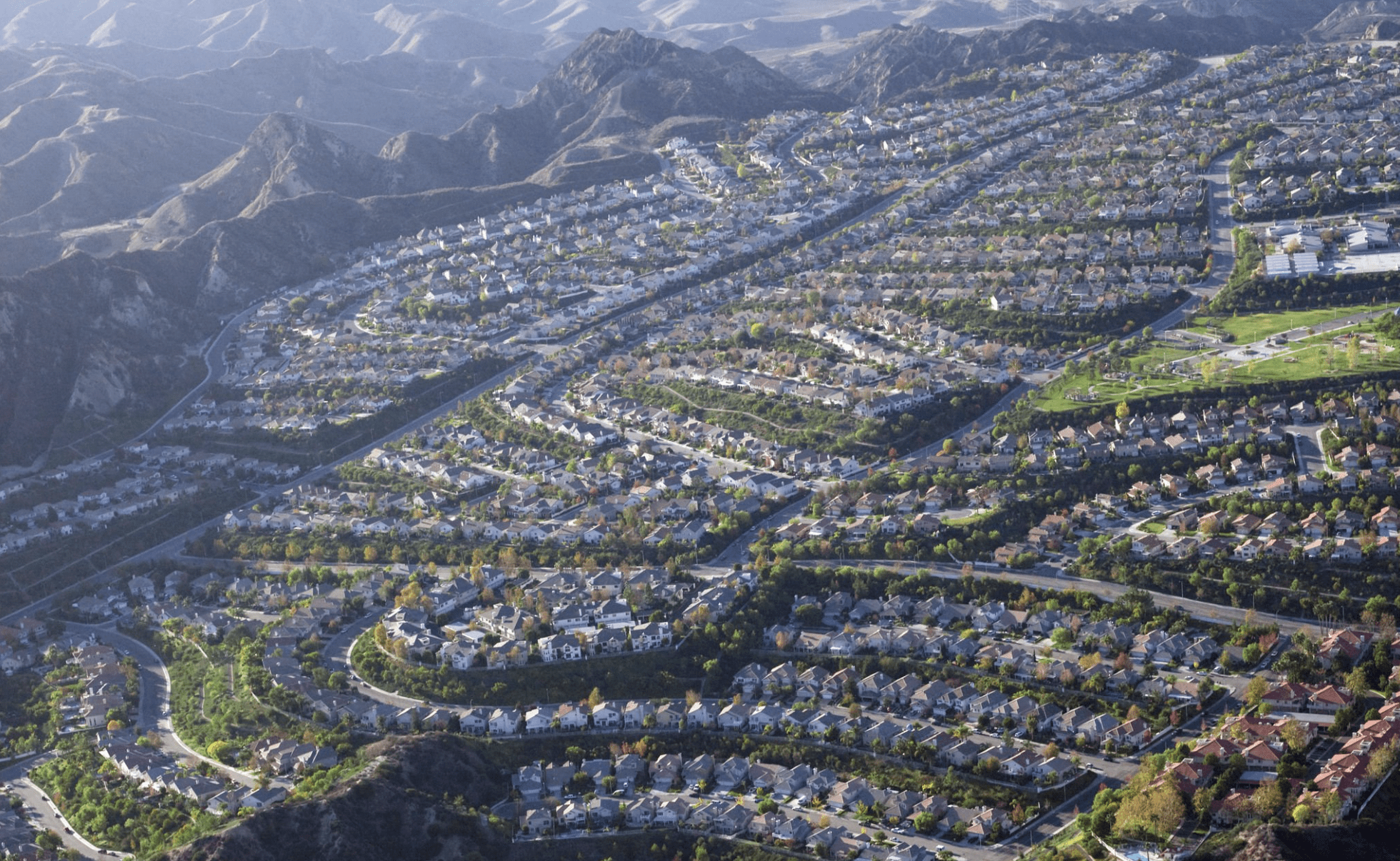
Investing in land is not new—it’s one of the oldest and most proven ways to build lasting wealth. For generations, forward-thinking investors have recognized that owning land offers stability, appreciation, and long-term security that few other assets can match.
Early visionaries like John Jacob Astor built immense fortunes by acquiring land in what would become Manhattan, long before the city grew around it. Isaac Bronson applied the same strategy throughout the Midwest, purchasing large tracts as the nation expanded. On the West Coast, Henry Miller, known as the “Cattle King of California,” amassed more than 1.4 million acres, showcasing the power of securing land in emerging regions.
These pioneers understood a timeless truth: land’s scarcity and growth potential make it a uniquely enduring asset. Their success stories continue to demonstrate that strategic land ownership remains one of the most reliable ways to build generational wealth.
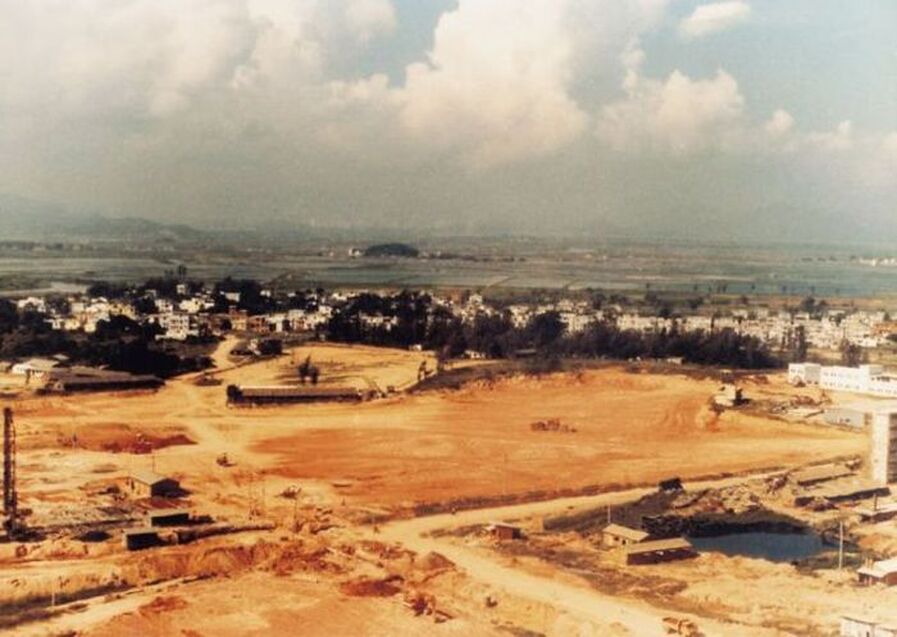 Shenzhen, China 1982China Now
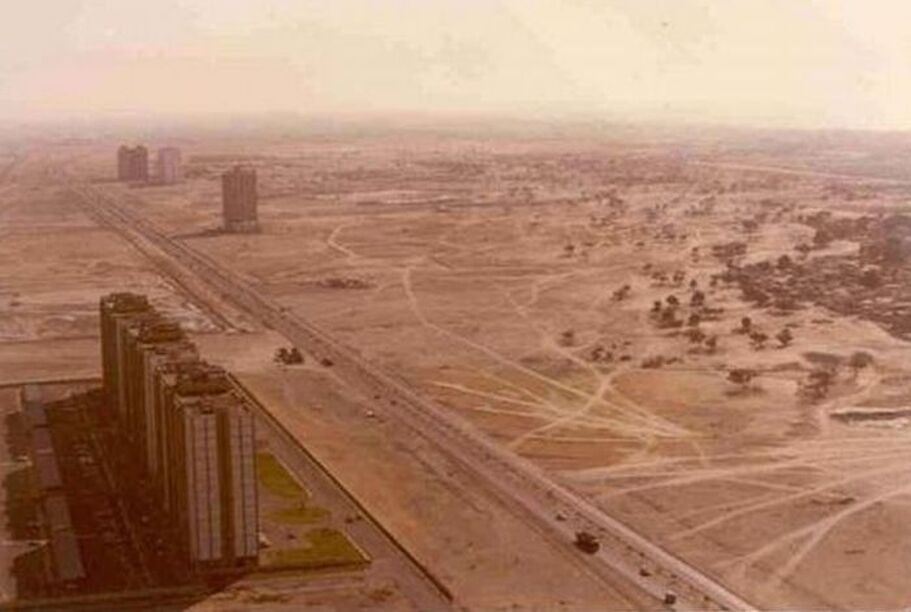 Dubai, United Arab Emirates 1991Dubai Now
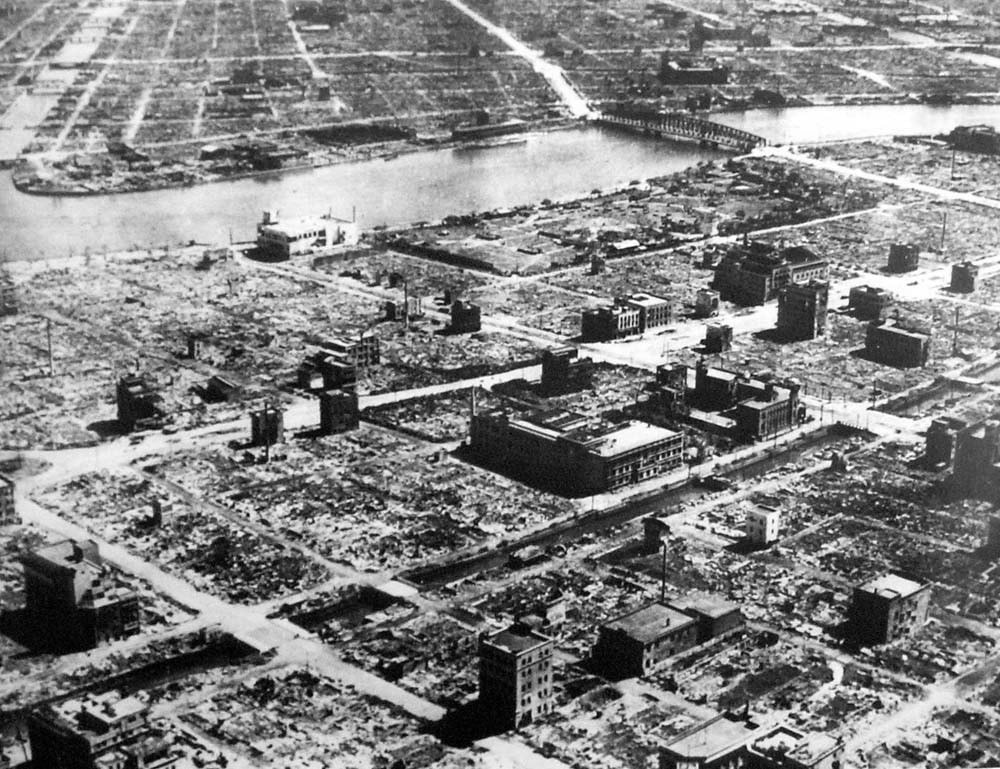 Tokyo, Japan 1945Tokyo Now